
UAE Resident Helps with Greening Dubai — One Garden at a Time
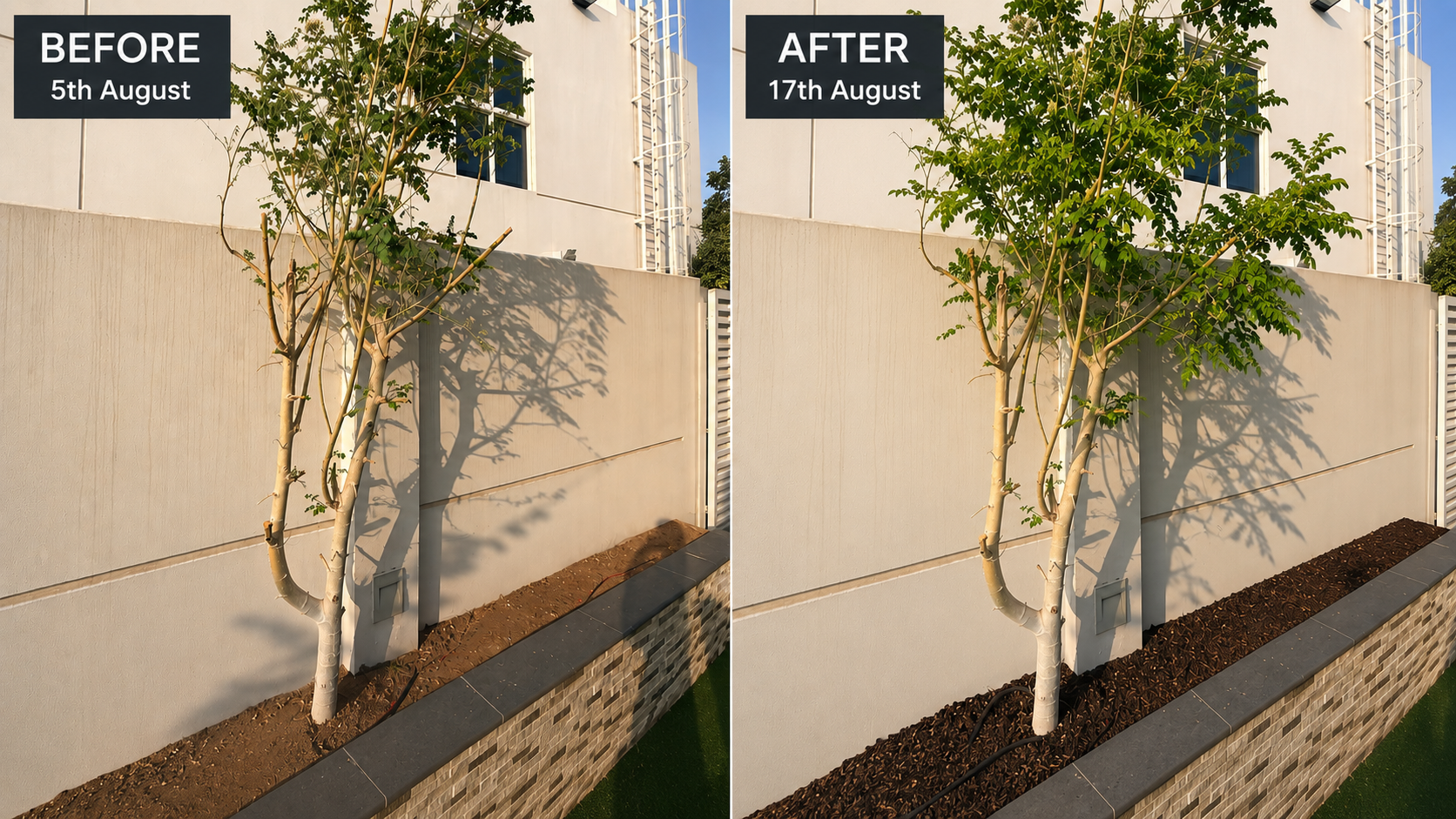
Green Zen Organic Mulch - before and after trial - side by side view 5th August and 12th August
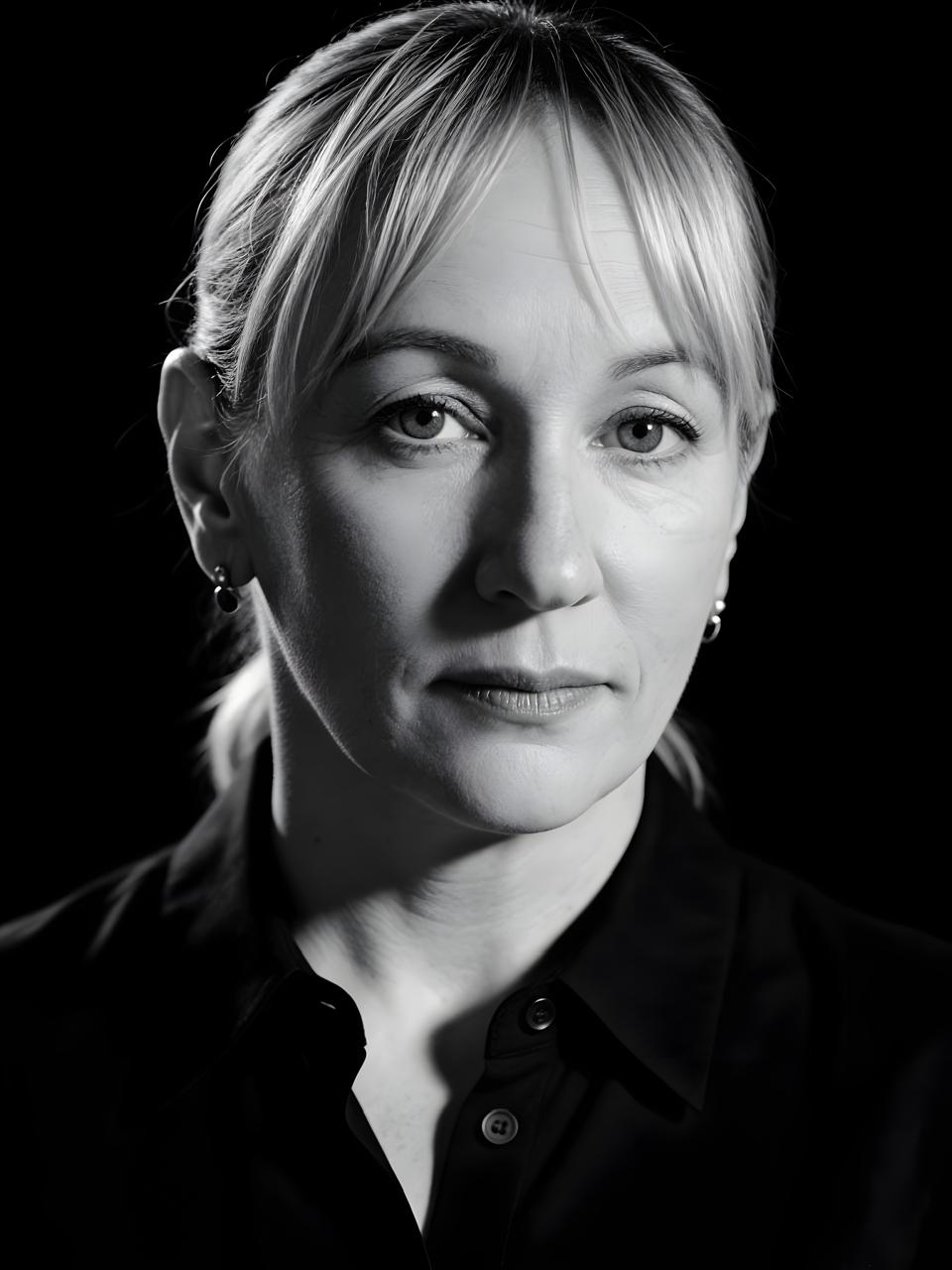
Jennifer McShane Bary - CEO - Green Zen Landscapes
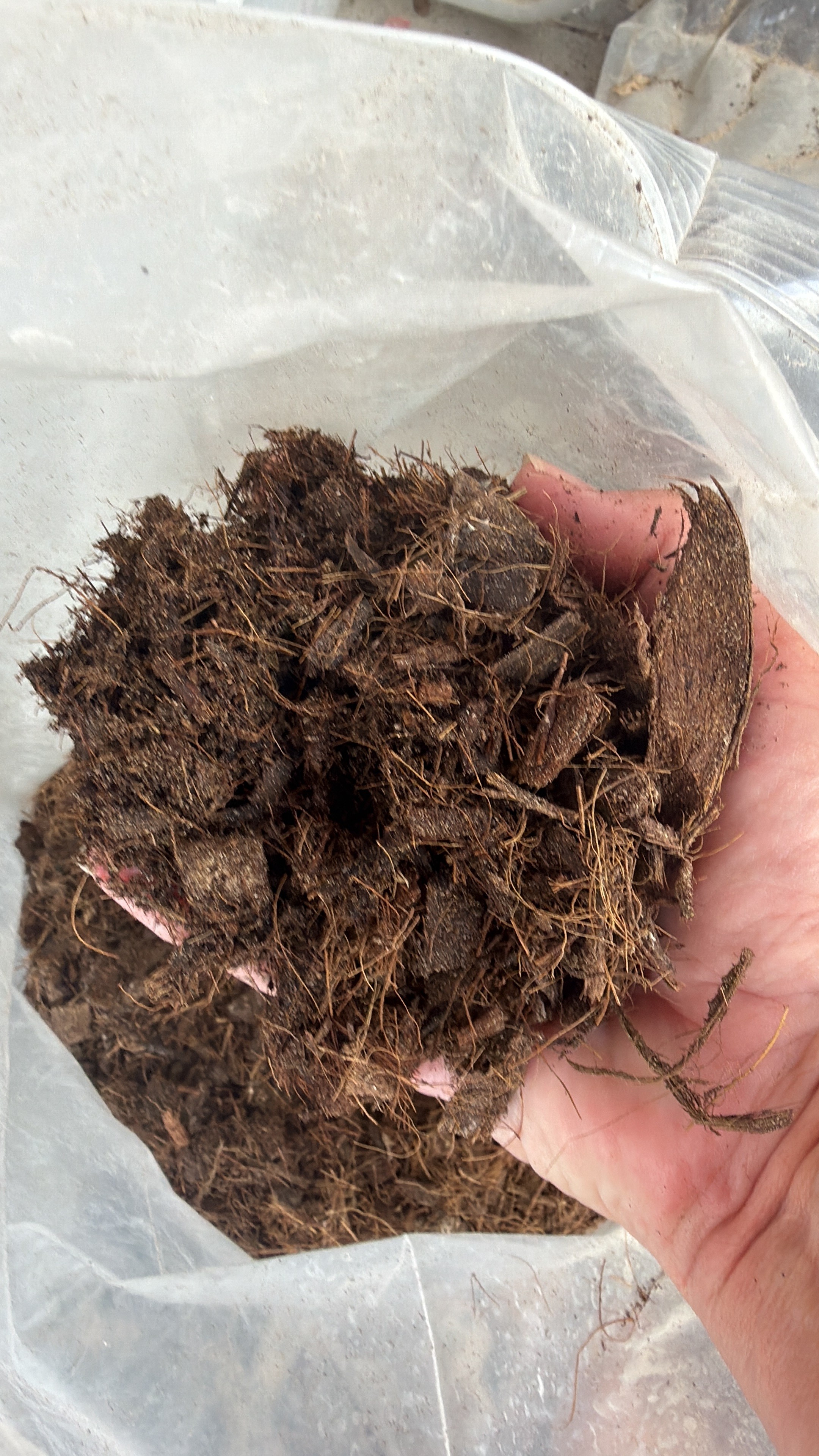
A sample of Green Zen Organic Mulch
Green Zen CEO champions a UAE-made approach to healthier gardens, reduced water demand and more sustainable landscaping in Dubai
Jennifer McShane-Bary believes it can.
Through Green Zen, she is challenging a familiar approach to UAE gardening: planting into sweet sand, leaving the surface exposed to extreme heat, and relying heavily on irrigation to compensate.
Her alternative is straightforward:
Sweet sand as the base. Mulch as the protective layer. Less unnecessary water loss. Better conditions for plants.
At the centre of the initiative is Green Zen Mulch, a natural coconut coir mulch proudly made in the UAE.
"We are putting enormous effort into greening Dubai, but we also need to look at what is happening at ground level," McShane-Bary says. "We plant into sand, leave that sand exposed to intense sun and heat, and then use more water to compensate. I started asking whether there was a better way."
The science starts at the soil surface
Mulching is an established horticultural practice. A protective organic layer over soil can help reduce direct exposure to solar radiation and evaporation, moderate soil conditions and retain moisture around plant root zones.
Coconut coir is particularly suited to this role because of its physical structure and ability to absorb and retain moisture.
For Dubai, however, the potential significance goes beyond healthier gardens.
Water efficiency is a national priority. The UAE Water Security Strategy 2036 includes a target to reduce total demand for water resources by 21%.
At the same time, Dubai is dramatically expanding its green infrastructure. Dubai Municipality planted 216,500 new trees in 2024, while Dubai's Public Parks and Greenery Strategy aims to triple the number of trees in the emirate and substantially increase green areas.
McShane-Bary believes these objectives — more greenery and greater water efficiency — should be considered together.
"The question shouldn't only be how many trees we can plant," she says. "It should also be how intelligently we can support those trees once they are in the ground."
Proudly made in the UAE
Green Zen Mulch is not simply a finished landscaping product imported into the country.
It is proudly made in the UAE, through a deliberately patient production process.
Each bag takes approximately 12 months of processing before it is ready for use in gardens.
"Dubai has a very particular growing environment," McShane-Bary says. "Our summers, soil conditions and irrigation requirements are different. I believe the solutions we use should reflect that."
That philosophy has become central to Green Zen's approach:
Dubai needs solutions tested for Dubai.
Rather than assuming landscaping practices developed for different climates are automatically appropriate for the Emirates, McShane-Bary believes the UAE has an opportunity to develop and validate its own approaches to sustainable horticulture.
Testing it in a Dubai summer
Green Zen has already begun testing the concept under real UAE conditions.
On 5 August 2026, Green Zen Mulch was installed around several plants and trees in an existing Dubai client's garden. Their condition was photographed at the beginning of the test.
The team returned just 12 days later, on 17 August.
Despite temperatures exceeding 40°C, visible changes were significant. Leaf colour had improved, new shoots were appearing and previously yellowing foliage had improved.
Green Zen is careful not to describe the observation as a controlled scientific trial.
Instead, McShane-Bary believes the results justify the next step: independent, properly measured UAE trials.
"We deliberately tested it in August because that is when Dubai gardens are under the greatest pressure," she says. "If we want to understand whether something works here, we need to test it here — in our soil, with our irrigation systems and in our summer temperatures."
Changing the culture of Dubai gardens
McShane-Bary's ambition extends beyond selling mulch.
She wants to change the way residents, landscapers, developers and public authorities think about the soil surface itself.
For decades, exposed sweet sand has been accepted as normal in UAE landscaping.
Green Zen is proposing a different default:
Keep sweet sand as the growing base — but protect it.
If mulch can help moisture remain available around plant roots for longer, moderate soil conditions and enable irrigation water to be used more effectively, the implications could extend far beyond individual gardens.
Potential applications include private villas, residential developments, hotels, schools, commercial landscapes, public spaces, streetscapes and municipal planting.
"This isn't about telling people to stop watering their gardens," McShane-Bary says. "It is about asking whether we can make the water we already use work harder."
An invitation to government
Green Zen is now seeking collaboration with Dubai Municipality, UAE government and sustainability bodies, universities, horticultural researchers and landscape authorities to independently test the concept.
A controlled pilot could compare equivalent landscaped areas with and without Green Zen Mulch and measure irrigation consumption, soil moisture, soil temperature, plant health, growth and maintenance requirements.
The objective would be simple: establish reliable UAE-specific data.
Green Zen is not asking government to accept a commercial claim. It is asking government and researchers to help test one.
"We have seen what happens in the gardens where we have used it. Now I want to put proper measurement around it," McShane-Bary says.
"If the data proves that we can maintain healthier plants while reducing the amount of irrigation required, then this shouldn't just be a Green Zen story. It becomes something that could potentially benefit Dubai."
For a city committed to becoming greener while protecting one of its most precious resources, the idea is remarkably simple.
Perhaps greening Dubai is not only about what Dubai plants.
Perhaps the next opportunity lies in how Dubai protects the ground beneath it.
About Green Zen
Green Zen is a Dubai-based biophilic design and landscaping company led by CEO Jennifer McShane-Bary. Green Zen Mulch is proudly made in the UAE from natural coconut coir
Jennifer McShane Bary
Green Zen
+971 58 654 8551
customercare@greenzen.ae
Visit us on social media:
LinkedIn
Instagram
YouTube
TikTok
Green Zen Mulch Summer Test: The Results After Just 12 Days in 40°C+ Heat
Legal Disclaimer:
EIN Presswire provides this news content "as is" without warranty of any kind. We do not accept any responsibility or liability for the accuracy, content, images, videos, licenses, completeness, legality, or reliability of the information contained in this article. If you have any complaints or copyright issues related to this article, kindly contact the author above.
